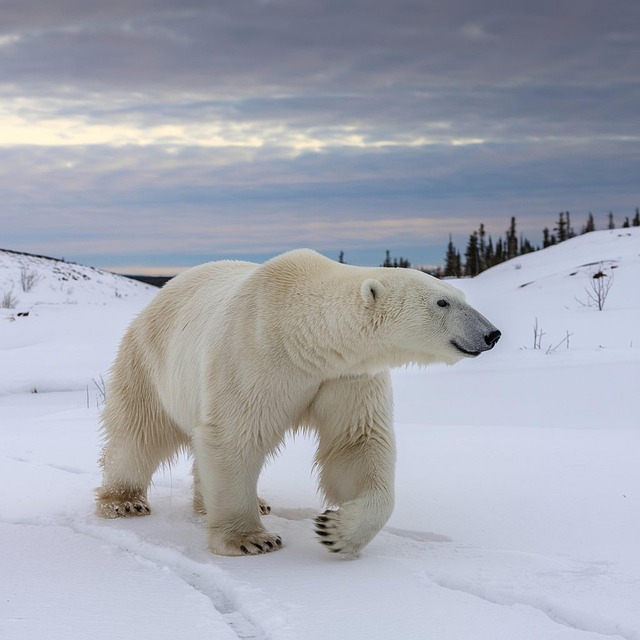
Polar bears (Ursus maritimus) are the largest land carnivores on Earth, and their impressive dimensions often capture the imagination of wildlife enthusiasts. Understanding their size helps us appreciate the adaptations that enable them to thrive in the harsh Arctic environment.
Average Length and Height
Adult male polar bears, known as boars, typically measure 7 to 9 feet (2.1–2.7 meters) in total length from nose to tail. When standing on their hind legs, they can reach a height of 8 to 10 feet (2.4–3.0 meters). Females, called sows, are smaller, averaging 5.5 to 8 feet (1.7–2.4 meters) in length and standing about 6 to 8 feet (1.8–2.4 meters) tall when upright.
Weight Ranges
Weight varies dramatically with season and sex. During the summer, when bears rely on stored fat, adult males typically weigh 350–550 pounds (160–250 kg). After a successful hunting season, a prime male can tip the scales at 900–1,200 pounds (410–540 kg). Females generally weigh between 200–400 pounds (90–180 kg), but can reach up to 700 pounds (320 kg) when pregnant.
Body Mass and Fat Composition
Polar bears have an extraordinary body composition: up to 30–45 % of their body weight is fat. This thick layer of blubber not only provides insulation against freezing temperatures but also serves as an energy reserve during months when hunting is difficult. A male weighing 1,000 pounds may contain 300–450 pounds (136–204 kg) of fat, making it one of the most efficient energy stores among mammals.
Comparisons to Other Large Carnivores
When compared to other big cats, polar bears are substantially larger. A Siberian tiger, the biggest cat, reaches about 660 pounds (300 kg) and 10 feet (3 meters) in length, whereas the average male polar bear surpasses both length and mass. Even the African lion, often considered the “king of beasts,” typically weighs 420 pounds (190 kg) for males—less than half the weight of a full‑grown male polar bear.
Why Size Matters in the Arctic
The massive size of polar bears is a direct response to their ice‑dependent hunting lifestyle. Larger bodies reduce heat loss, and the extensive fat reserves enable them to endure long fasting periods. Their powerful limbs and broad paws also aid in swimming; polar bears can cover distances of over 60 miles (100 km) in open water, a feat made possible by their size and strength.
In summary, polar bears are truly colossal mammals, with males reaching up to 10 feet tall and weighing as much as 1,200 pounds. Their impressive dimensions are not just a curiosity but a vital adaptation that supports survival in one of the planet’s most extreme habitats.
**
About David Lee
Practical knowledge enthusiast sharing everyday life hacks
David Lee has been contributing to eKnaw for over a year, focusing on practical solutions and life improvements through simple, actionable advice.



Join the Discussion
Comments (0)