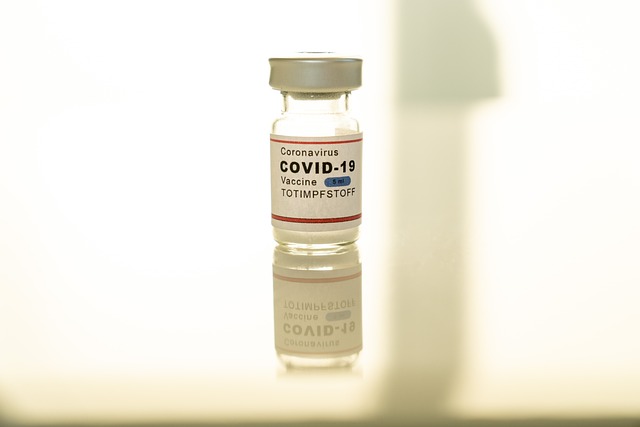
What Is a Vaccine?
A vaccine is a biological preparation that trains the immune system to recognize and fight specific pathogens—usually viruses or bacteria—without causing the disease itself. Most vaccines contain weakened, inactivated, or partial pieces of the germ, such as proteins or sugars, that are enough to trigger an immune response but not enough to make you sick.
The Immune System’s “Memory”
When a vaccine is administered, the body’s immune cells—particularly white blood cells like macrophages and lymphocytes—detect the foreign particles. They produce antibodies that specifically bind to the pathogen’s surface. After the initial exposure, a subset of these cells becomes memory cells, which remain in the bloodstream for years, ready to launch a rapid and powerful response if the real pathogen ever invades.
How Different Types of Vaccines Work
Live‑attenuated vaccines (e.g., measles, mumps, rubella) use a weakened form of the germ, prompting a strong, long‑lasting immunity similar to natural infection. Inactivated vaccines (e.g., polio, hepatitis A) contain killed germs, requiring multiple doses to boost protection. Subunit, recombinant, and mRNA vaccines (e.g., HPV, COVID‑19) deliver only specific proteins or genetic instructions, offering safety advantages and rapid development.
Why Booster Shots Matter
Over time, immunity can wane as antibody levels drop. Booster shots re‑expose the immune system to the antigen, reinforcing memory cells and extending protection. This is why vaccines such as tetanus, influenza, and COVID‑19 often require annual or periodic updates.
The Public‑Health Impact
Vaccination not only protects individuals but also creates herd immunity. When a large portion of a community is immune, the pathogen struggles to find new hosts, reducing its spread and safeguarding those who cannot be vaccinated—like infants or immunocompromised patients. Historically, vaccines have eradicated smallpox and nearly eliminated polio, saving millions of lives worldwide.
In summary, vaccines work by mimicking an infection, prompting the immune system to develop a precise, lasting defense without causing disease. This clever biological “training” is one of the most effective tools humanity has against infectious threats.
**
About Sophia Kim
Practical knowledge enthusiast sharing everyday life hacks
Sophia Kim has been contributing to eKnaw for over a year, focusing on practical solutions and life improvements through simple, actionable advice.
Join the Discussion
Comments (0)