Understand the Role and Its Requirements
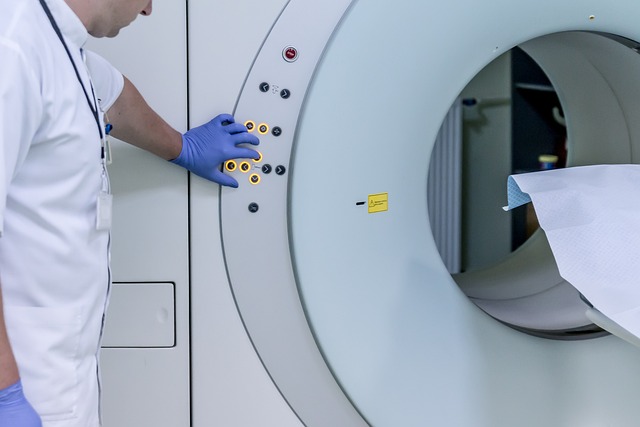
Magnetic Resonance Imaging (MRI) technicians operate sophisticated scanners that produce detailed images of the body’s internal structures. Employers look for candidates who combine technical skill, patient care, and strict adherence to safety protocols. Knowing what the job entails is the first step toward a rewarding career in medical imaging.
Earn the Necessary Education
The most common pathway is a post‑secondary certificate or an associate’s degree in radiologic technology, diagnostic medical imaging, or a related field. Programs typically include:
- Fundamentals of anatomy and physiology
- Radiation safety and physics
- Hands‑on MRI equipment training
- Clinical practicum in a hospital or imaging center
Look for programs accredited by the Joint Review Committee on Education in Radiologic Technology (JRCERT), as accreditation improves job prospects and eligibility for certification.
Get Certified and Licensed
While not every state requires a license, most employers prefer or mandate certification. The two primary credentials are:
- ARRT™ MRI Certification – awarded by the American Registry of Radiologic Technologists after passing a comprehensive exam.
- CMSC™ (Certified MRI Specialist) – offered by the American Society of Radiologic Technologists (ASRT) for those who already hold ARRT certification.
To sit for these exams, you must have completed an accredited program and a minimum of 1,500 clinical hours, including specific MRI experience.
Develop Essential Skills
Success as an MRI technician depends on more than technical knowledge. Key soft skills include:
- Communication – explaining procedures and calming anxious patients.
- Attention to detail – ensuring accurate positioning and image quality.
- Problem‑solving – troubleshooting equipment issues quickly.
- Physical stamina – standing for long periods and assisting patients.
Gain Experience and Advance Your Career
Start with entry‑level positions in hospitals, outpatient clinics, or imaging centers. On‑the‑job training will deepen your expertise with different MRI systems (e.g., 1.5 T, 3 T). After 2–3 years, consider:
- Specializing in cardiac, neuro, or musculoskeletal MRI.
- Pursuing a bachelor’s degree in radiologic sciences or health administration.
- Becoming a lead technologist or moving into education, sales, or equipment service.
Key Takeaways
Becoming an MRI technician involves:
- Choosing an accredited radiologic technology program.
- Completing clinical rotations with a focus on MRI.
- Obtaining ARRT and, optionally, CMSC certification.
- Building both technical and interpersonal skills.
- Continuously learning to stay current with advancing imaging technology.
With dedication and the right training, you can launch a stable, well‑paid career that plays a vital role in modern healthcare.
**
About Antonov Ivanov
Practical knowledge enthusiast sharing everyday life hacks
Antonov Ivanov has been contributing to eKnaw for over a year, focusing on practical solutions and life improvements through simple, actionable advice.



Join the Discussion
Comments (0)