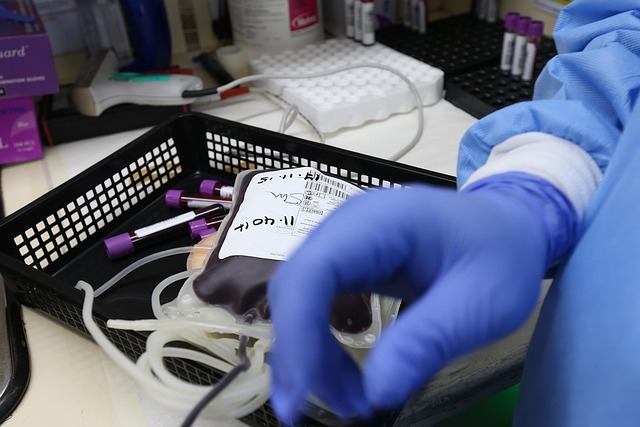
Why Donate Plasma?
Plasma donation is a life‑saving act that helps patients with burns, immune deficiencies, and clotting disorders. By giving plasma, you provide essential proteins that can be turned into medicines for those in critical need. Every donation can help multiple patients, making it one of the most impactful ways to give back.
Eligibility Requirements
Before you head to a donation center, make sure you meet the basic criteria:
- Age: 18–65 years old (some centers accept donors up to 70 with physician approval).
- Weight: Minimum 110 lb (50 kg).
- Health: No recent infections, chronic illnesses, or certain medications.
- Frequency: Up to twice a week, with at least 48 hours between donations.
If you’re unsure, call the center and ask about their specific guidelines.
Preparing for Your Donation
Proper preparation makes the process smoother and more comfortable:
- Hydration: Drink plenty of water (2–3 L) the day before and the morning of your appointment.
- Nutrition: Eat a balanced meal rich in protein and avoid fatty foods, which can affect plasma quality.
- Rest: Get a good night’s sleep to keep your blood pressure stable.
- Documentation: Bring a valid ID and any required health questionnaires.
The Donation Process
The whole experience typically takes 90–120 minutes, broken down into three phases:
- Screening: A quick health check, including temperature, blood pressure, and a brief interview.
- Collection: Using a specialized apheresis machine, blood is drawn, plasma is separated, and the remaining components are returned to your body. The needle is usually placed in your arm, and you’ll feel a mild pinch.
- Recovery: After the procedure, you’ll sit for a short observation period, enjoy a snack, and receive post‑donation guidelines.
After Donation Care
To ensure a speedy recovery, follow these simple tips:
- Stay hydrated: Continue drinking water for the next 24 hours.
- Eat protein‑rich foods: Replenish the plasma proteins you donated.
- Avoid heavy lifting or intense exercise for the rest of the day.
- Monitor the site: If you notice excessive bruising or swelling, contact the donation center.
Where to Donate
Most major blood banks and specialized plasma centers accept donors. Use online search tools or visit the websites of organizations such as American Red Cross, CSL Plasma, or Octapharma to locate the nearest facility, check their hours, and schedule an appointment.
Final Thoughts
Donating plasma is a straightforward, rewarding way to make a difference. By meeting the eligibility criteria, preparing properly, and following post‑donation care, you can help save lives while earning compensation or community service credits. Take the first step today—find a center, book your appointment, and become a plasma donor.
**
About Daniel Kim
Practical knowledge enthusiast sharing everyday life hacks
Daniel Kim has been contributing to eKnaw for over a year, focusing on practical solutions and life improvements through simple, actionable advice.



Join the Discussion
Comments (0)