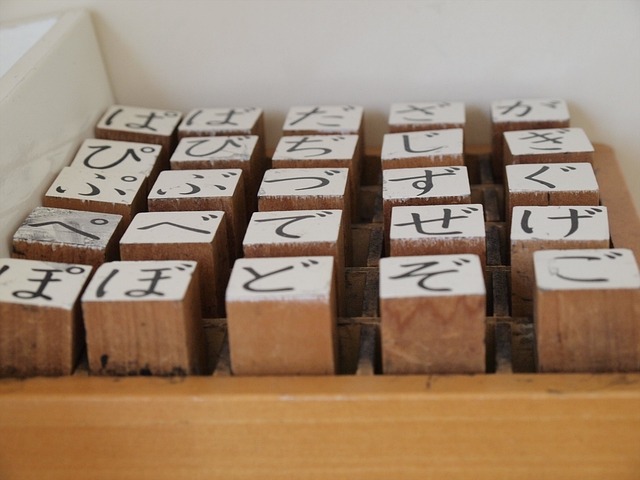
Why Hiragana Is the First Step in Learning Japanese
When you start studying Japanese, hiragana is the foundation you cannot skip. It is the native syllabary used for native words, grammatical particles, and reading aid furigana. Mastering it gives you the confidence to read simple texts, write your name, and understand basic sentence structures.
Step‑by‑Step Method to Learn Hiragana Effectively
1. Familiarize Yourself with the Chart
Begin by looking at a standard hiragana chart. Notice the five vowel sounds (a, i, u, e, o) and how each consonant combines with them. Print the chart and keep it visible on your desk.
2. Break It Down Into Small Groups
Instead of memorizing all 46 characters at once, split them into groups of five or ten. Practice one group daily, focusing on pronunciation and stroke order. Use flashcards—physical or apps like Anki—to test yourself repeatedly.
3. Practice Writing By Hand
Writing reinforces memory. Follow the correct stroke order, starting from the top left and moving downwards. Write each character ten times while saying the sound aloud. This multisensory approach cements the shape and sound together.
4. Use Mnemonic Stories
Create vivid images for each character. For example, the character か (ka) looks like a “kite” flying in the sky. The more bizarre the story, the easier it sticks.
5. Apply Hiragana in Real Contexts
Read simple children’s books, manga with furigana, or language‑learning websites that only use hiragana. Write short diary entries or label items in your house using the syllabary.
Tools and Resources for Faster Progress
There are many free and paid resources to accelerate your learning:
- Online charts with audio (e.g., JapanesePod101).
- Mobile apps such as Duolingo, LingoDeer, or Memrise that offer interactive quizzes.
- Workbooks like “Remembering the Kana” that provide structured practice.
- YouTube channels that demonstrate stroke order and pronunciation.
Maintaining Consistency and Measuring Success
Set a realistic goal—like mastering five new characters each day. Track your progress with a simple spreadsheet or a habit‑tracking app. After two weeks, test yourself by writing a short paragraph entirely in hiragana. If you can read it without looking at a chart, you’ve reached a solid milestone.
Final Thoughts
Learning hiragana may feel daunting at first, but with a systematic approach, consistent practice, and the right tools, you’ll be reading and writing Japanese in no time. Remember: small daily steps lead to big breakthroughs. Start today, and watch your confidence grow with every character you master.
**
About Emma Smith
Practical knowledge enthusiast sharing everyday life hacks
Emma Smith has been contributing to eKnaw for over a year, focusing on practical solutions and life improvements through simple, actionable advice.



Join the Discussion
Comments (0)