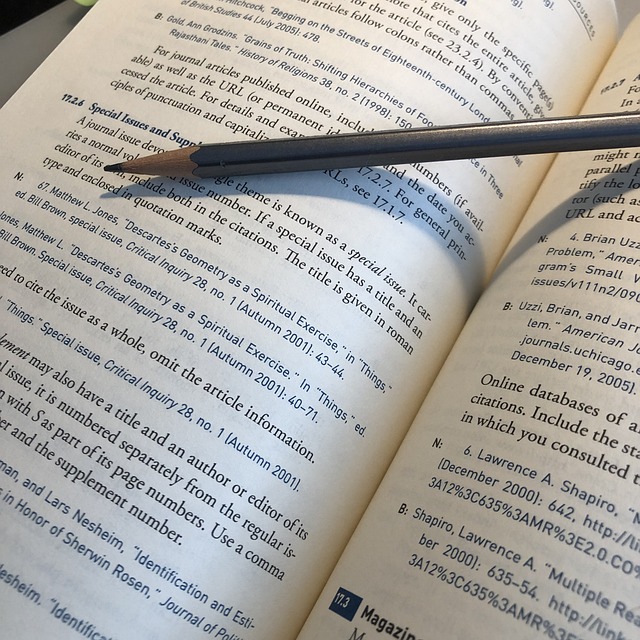
Why Referencing Matters
In academic writing, research papers, and professional reports, referencing is essential. It gives credit to the original authors, helps readers locate the source material, and protects you from plagiarism accusations. Good referencing also boosts the credibility of your work, which is a key factor for SEO and for gaining the trust of your audience.
Choose the Right Citation Style
Different fields prefer different citation formats. Here are the most common ones:
- APA (American Psychological Association) – Frequently used in social sciences.
- MLA (Modern Language Association) – Common in humanities.
- Chicago/Turabian – Preferred for history and some business papers.
- Harvard – Widely adopted in UK universities.
Before you start, check your institution’s guidelines or the publisher’s requirements to select the appropriate style.
Basic Components of a Reference
Regardless of the style, a complete reference typically includes:
- Author(s) – Full name(s) of the creator(s).
- Publication Year – The year the source was released.
- Title – The complete title of the work (italicized for books, in quotation marks for articles).
- Publisher or Journal – The name of the publishing house or journal.
- DOI or URL – A digital identifier or web address for online sources.
Step‑by‑Step Formatting Example (APA 7th Edition)
Suppose you are citing a journal article:
Smith, J. A., & Lee, R. (2022). The impact of digital marketing on consumer behavior. Journal of Marketing Research, 58(3), 215‑230. https://doi.org/10.1080/00222411.2022.1234567
Notice the order: author, year, title (sentence case), journal name (title case & italicized), volume (italicized), issue in parentheses, page range, and DOI.
Tools That Simplify Referencing
Manual formatting can be time‑consuming. Consider using these free or subscription‑based tools:
- Zotero – Collects sources and generates citations in multiple styles.
- Mendeley – Offers reference management and PDF annotation.
- Citation Machine – Quickly creates formatted references from input data.
- Google Scholar – Click the quotation mark icon under a result to copy a ready‑made citation.
Final Tips for SEO‑Friendly Referencing
1. Include keywords in your reference list titles when appropriate; search engines index them.
2. Use consistent formatting throughout the document to improve readability.
3. Add alt text to any reference tables or images to enhance accessibility and SEO.
By mastering proper referencing, you not only uphold academic integrity but also create content that is trustworthy, discoverable, and valuable for both readers and search engines.
**
About Sophia Müller
Practical knowledge enthusiast sharing everyday life hacks
Sophia Müller has been contributing to eKnaw for over a year, focusing on practical solutions and life improvements through simple, actionable advice.



Join the Discussion
Comments (0)