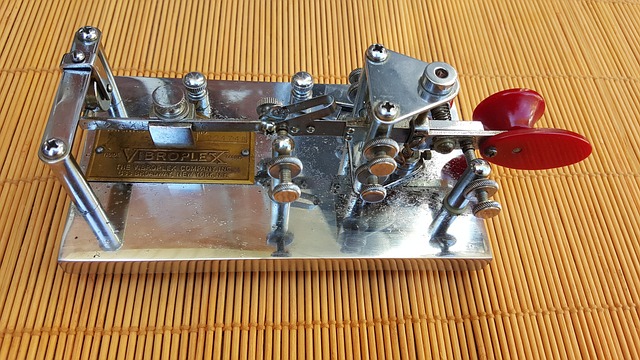
Why Morse Code Still Matters
Even in the age of digital communication, Morse code remains a valuable skill. It is used by ham radio operators, emergency responders, and enthusiasts who enjoy the challenge of decoding and transmitting messages with simple signals.
Getting Started: The Basics
First, familiarize yourself with the alphabet and numbers. Morse code represents each character with a series of dots (·) and dashes (–). For example, the letter A is “·–” and the number 5 is “·····”. A good way to memorize these patterns is to use flashcards or mobile apps that quiz you on the symbols.
Practice Techniques That Work
1. Auditory Training: Listen to recordings of Morse code and try to transcribe them. This builds your ear for the rhythm of dots and dashes.
2. Visual Drills: Write out the code on paper or use a visual trainer that lights up dots and dashes. Seeing the patterns helps reinforce memory.
3. Real‑World Application: Join a local ham radio club or an online community where you can practice sending and receiving messages in real time. The practical use of Morse code accelerates learning.
Tools and Resources
There are many free resources to support your journey:
- Online Morse Code Translators – instantly convert text to code and vice versa.
- Mobile Apps – apps like “Morse Trainer” or “Ham Radio Deluxe” provide interactive lessons.
- Websites – sites such as LearnMorseCode.com offer structured courses and practice sheets.
Tips for Mastery
Consistency is key. Practice for at least 10 minutes a day. Over time, your speed and accuracy will improve dramatically.
Use mnemonics to remember tricky characters. For instance, the letter “Q” (– – · –) can be recalled as “Quickly quit.”
Finally, set realistic goals: start with simple words like “SOS” (··· – – – ···) and progress to full sentences.
Conclusion
Learning Morse code is more than a hobby; it connects you to a historic mode of communication that still has practical uses today. By following the steps above—starting with the alphabet, practicing regularly, and using modern tools—you’ll soon be able to send and decode messages with confidence. Embrace the rhythm of dots and dashes, and you’ll discover a new way to communicate that’s both fun and useful.
**
About Mohammad Ahmed
Practical knowledge enthusiast sharing everyday life hacks
Mohammad Ahmed has been contributing to eKnaw for over a year, focusing on practical solutions and life improvements through simple, actionable advice.



Join the Discussion
Comments (0)