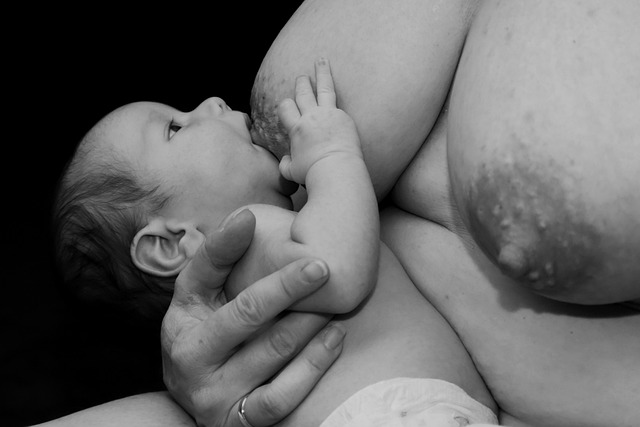
What Is Postpartum Depression?
Postpartum depression (PPD) is a mood disorder that affects many new mothers, typically emerging within the first few weeks after childbirth. Unlike the “baby blues,” which usually fade within two weeks, PPD can be more severe and persist for months if left untreated.
Typical Timeframes for PPD
Research shows that the average duration of untreated postpartum depression ranges from three to six months. However, the timeline can vary widely:
- Short‑term cases: Some women experience relief within 4–8 weeks, especially when they receive early support.
- Medium‑term cases: Many mothers find that symptoms subside after 3–4 months with therapy or medication.
- Long‑term cases: Without proper intervention, PPD may last a year or more, sometimes evolving into chronic depression.
Factors That Influence Duration
Several elements can extend or shorten the length of postpartum depression:
- Severity of symptoms – More intense feelings of hopelessness or anxiety often require longer treatment.
- Previous mental‑health history – Women with a prior history of depression or anxiety are at higher risk for prolonged episodes.
- Social support – Strong family, partner, and community support can accelerate recovery.
- Access to care – Prompt diagnosis and access to therapy or medication dramatically reduce the duration.
When to Seek Help
If you notice any of the following signs persisting beyond two weeks, it’s crucial to reach out to a healthcare professional:
- Persistent sadness or emptiness
- Loss of interest in activities you once enjoyed
- Severe anxiety, panic attacks, or intrusive thoughts
- Difficulty bonding with your baby
- Thoughts of self‑harm or harming the infant
Early intervention not only shortens the overall timeline but also improves outcomes for both mother and child.
Effective Treatments That Shorten the Timeline
Evidence‑based approaches that have shown to reduce the length of PPD include:
- Psychotherapy – Cognitive‑behavioral therapy (CBT) and interpersonal therapy (IPT) are especially effective.
- Medication – Antidepressants such as SSRIs are safe for breastfeeding mothers when monitored closely.
- Support groups – Peer‑to‑peer sharing can provide emotional relief and practical coping strategies.
- Lifestyle adjustments – Regular sleep, balanced nutrition, and gentle exercise support mental health.
Conclusion
While postpartum depression can last anywhere from a few weeks to over a year, the key takeaway is that most women recover with timely, appropriate care. Recognizing symptoms early, seeking professional help, and building a strong support network are essential steps to shorten the duration and restore well‑being for both mother and baby.
**
About Amir Rahman
Practical knowledge enthusiast sharing everyday life hacks
Amir Rahman has been contributing to eKnaw for over a year, focusing on practical solutions and life improvements through simple, actionable advice.


Join the Discussion
Comments (0)